The Critical Role of Zinc in Your Body
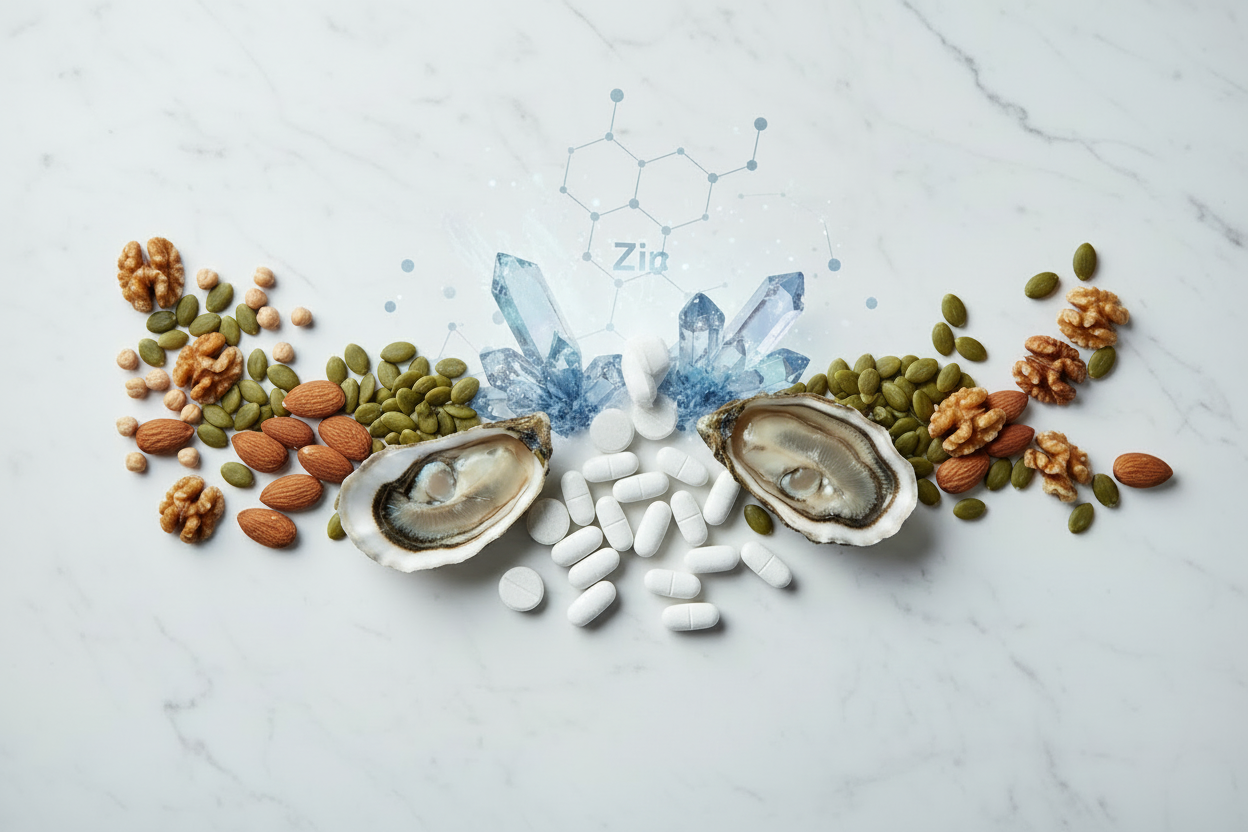
Zinc is an essential mineral present in every human body, playing a vital role in maintaining heart health, brain function, immune defense, and growth. It is naturally found in foods such as meat, poultry, seafood, milk, eggs, whole grains, and beans, and can also be taken as a dietary supplement. Zinc supports numerous biochemical reactions, aids in protein synthesis, and helps protect cells from oxidative damage. It also strengthens immune response and promotes efficient wound healing.
A deficiency in zinc can impair growth, immunity, and recovery processes — and in severe cases, may even become life-threatening. Individuals at higher risk of zinc deficiency include vegetarians, those with chronic diseases, pregnant women, and the elderly.
Beyond its metabolic benefits, zinc plays a crucial role in supporting cardiovascular health. A shortage of zinc can contribute to oxidative stress — a major factor linked to heart disease and weakened heart muscle function.
Zinc is also essential for brain health, as it regulates cellular communication, supports synaptic transmission, and maintains ion channel balance critical for cognitive performance and neural stability.
If you believe you may be at risk for zinc deficiency, it’s important to consult your healthcare provider for testing and guidance on appropriate supplementation.