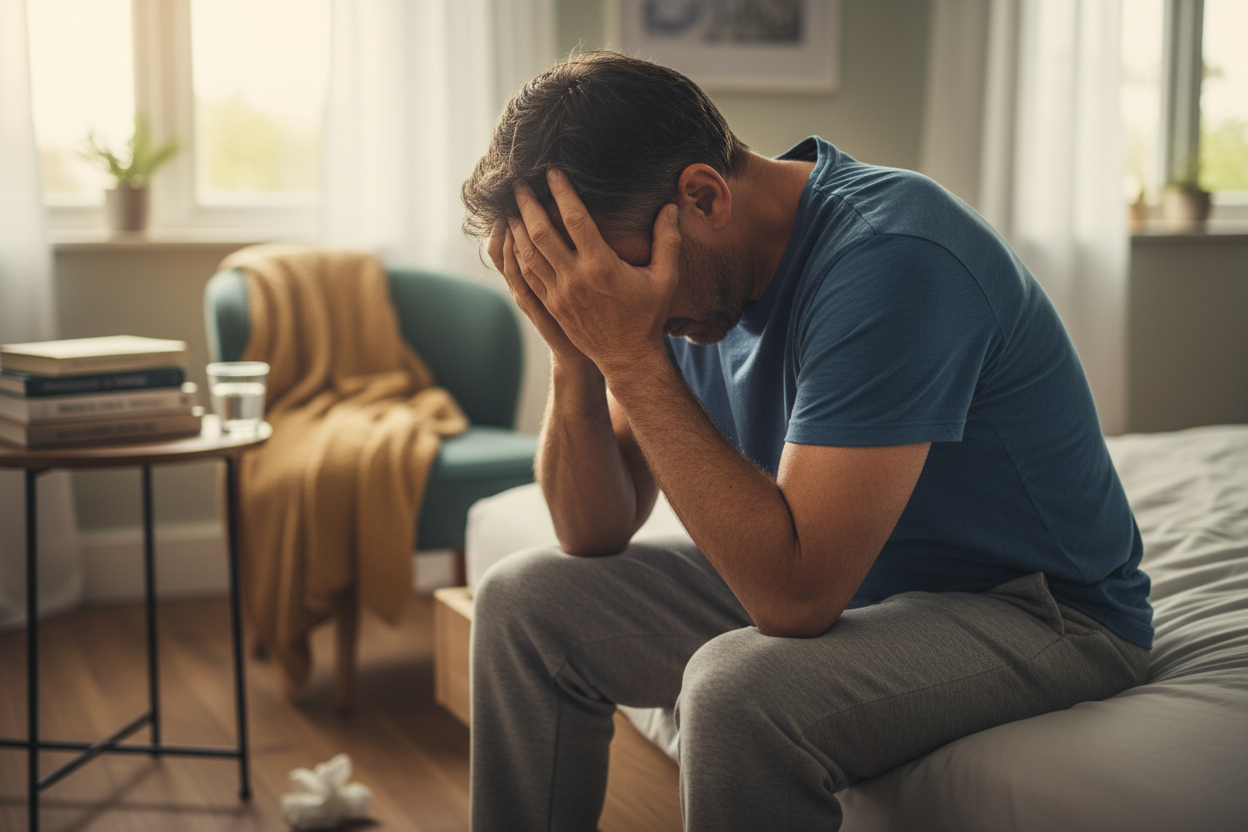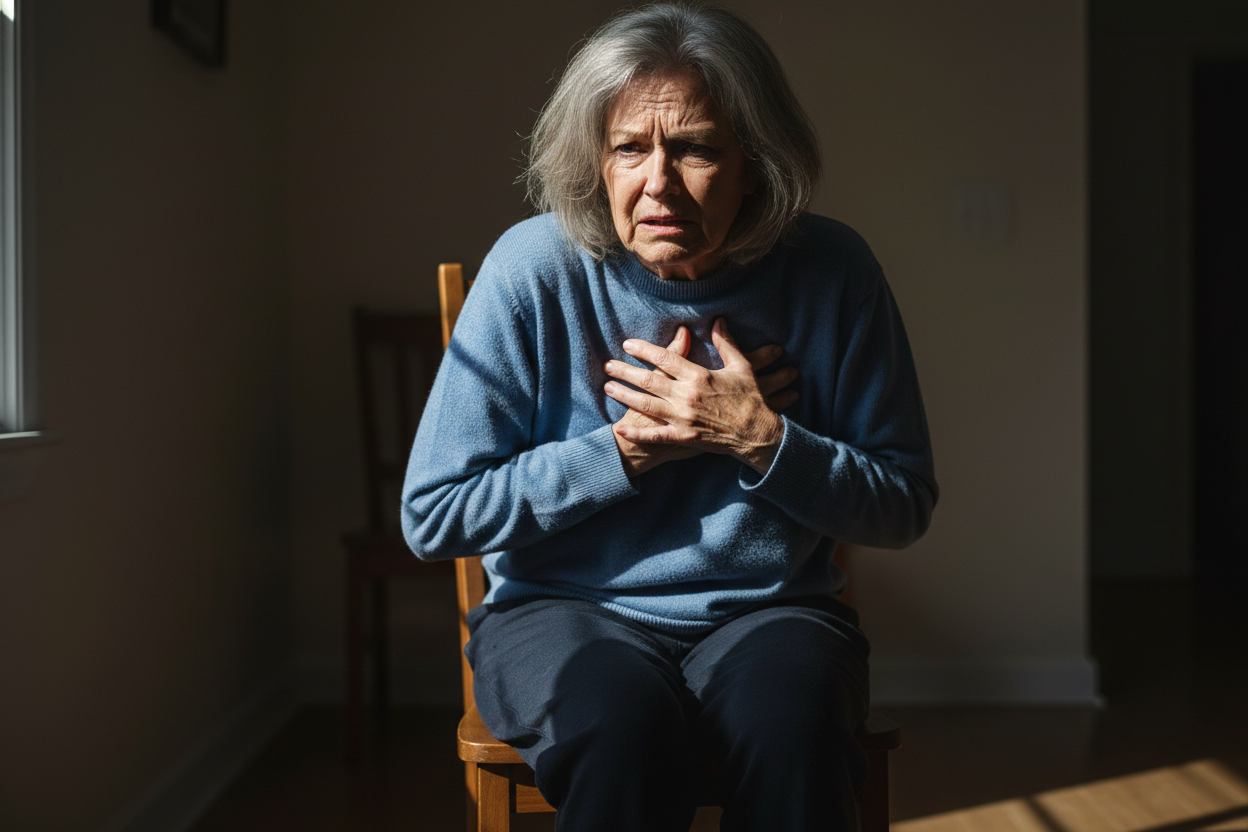
What Does Anxiety Feel Like?
Everyone experiences anxiety at some point in their lives. The anxious feeling you get before a test, presentation, social event, or scary situation is anxiety.
But what exactly is anxiety, and how does it feel? This article will discuss anxiety, its symptoms, types, and tips for managing it.
What is Anxiety?
Anxiety is a natural response to stress. It's your body's way of alerting you to potential danger or threats — like your brain's alarm system telling you to be careful.
Sometimes, this alarm system works well and helps you stay safe. For example, if you see a car speeding toward you, anxiety makes you jump out of the way quickly.
However, sometimes, this alarm system goes off when there is no real danger. This can happen before a test, when you meet new people, or even for no clear reason at all. When anxiety happens too often or feels extremely intense, it can interfere with daily life.

Anxiety Symptoms
Anxiety can affect both your mind and body. Here are some common symptoms:
- Feeling Nervous or Worried: You might feel scared or worried about things others might not find scary.
- Rapid Heartbeat: Your heart might race even when you're not exercising.
- Sweating: You might start sweating excessively, even if you’re not hot.
- Trembling or Shaking: Your hands or body might shake uncontrollably.
- Breathing Problems: You might feel like you can’t catch your breath or breathe rapidly.
- Feeling Tired: Anxiety can drain your energy, even without physical exertion.
- Stomachaches: You may experience stomach discomfort or frequent urges to use the bathroom.
- Trouble Sleeping: Anxiety can make it hard to fall asleep or stay asleep.
These are some of the symptoms you might experience. Everyone's experience is different, and some may have other symptoms too.
Types of Anxiety
Different types of anxiety have unique characteristics. Here are a few common ones:

Generalized Anxiety Disorder (GAD): Ongoing anxiety about various aspects of daily life such as school, work, health, and relationships.
Panic Disorder: Characterized by sudden, intense feelings of fear known as panic attacks, often accompanied by shortness of breath or a sense of impending doom.
Social Anxiety Disorder: Intense fear or nervousness in social situations, often due to fear of judgment or embarrassment.
Specific Phobias: Strong fear of specific objects or situations such as heights, spiders, or flying.
Separation Anxiety Disorder: Common in children; intense fear or distress when separated from parents or home.
Let's explore self-care opportunities to cope with anxiety and revitalize a
HEALTHIER YOU.
Managing Anxiety
While anxiety can feel overwhelming, there are many ways to manage it holistically. Here are some strategies to help you feel better:
- Breathing Exercises
Deep breathing helps calm your body and mind. Try the 4-4-4 method: inhale through your nose for four seconds, hold for four seconds, and exhale through your mouth for four seconds.

- Stay Active
Exercise helps reduce anxiety by releasing endorphins. Activities like walking, running, or dancing can ease tension and elevate mood.
- Eat a Healthy Diet
Eat balanced meals with fruits, vegetables, whole grains, and lean proteins. Limit caffeine and sugar, as they can increase anxious feelings.
- Get Enough Sleep
Sleep supports mental health. Aim for 8–10 hours nightly and create a relaxing bedtime routine such as reading or taking a warm bath.

- Talk About It
Share your feelings with someone you trust — a friend, family member, or counselor. Talking can bring relief and new perspectives.
- Practice Mindfulness
Mindfulness helps you stay present and calm. Try meditation, prayer, or yoga. Engage your senses—focus on sights, sounds, and smells—to feel grounded.
- Set Small Goals
Break large tasks into smaller ones. Achieving small goals builds confidence and reduces anxiety.
- Limit Screen Time
Too much screen time, especially exposure to negative content, can heighten anxiety. Take breaks and engage in offline activities like reading or nature walks.
- Stay Connected
Spend quality time with loved ones. Social connection helps reduce anxious feelings and promotes emotional stability.
- Seek Professional Help
If anxiety feels unmanageable, reach out to a mental health professional. Therapists and doctors can provide coping techniques and treatment plans to improve your quality of life.
Conclusion
Anxiety can feel scary and overwhelming, but you’re not alone. Many people experience anxiety, and there are effective ways to manage it and enjoy a better quality of life.
Understand anxiety, recognize its symptoms, and apply coping strategies to feel better. Be patient with yourself and seek support when you need it.