Anxiety and Stress
Their effects on us and how we can bounce back – based on science
Anxiety disorders and stress affect millions of people and can significantly impact health and well-being. According to the Anxiety and Depression Association of America, about 40 million adults in the United States experience an anxiety disorder each year. Anxiety can increase the risk of heart disease and worsen outcomes for those with chronic lung conditions. Yet, fewer than half of those affected seek help.
Stress is another growing concern in the U.S., reaching its highest levels in recent years due to the pandemic, inflation, and the continuous stream of negative news. Chronic stress not only impacts mental health but also affects brain function and immunity.
Read on to learn more about anxiety, stress, and how to bounce back.
Anxiety and its effects
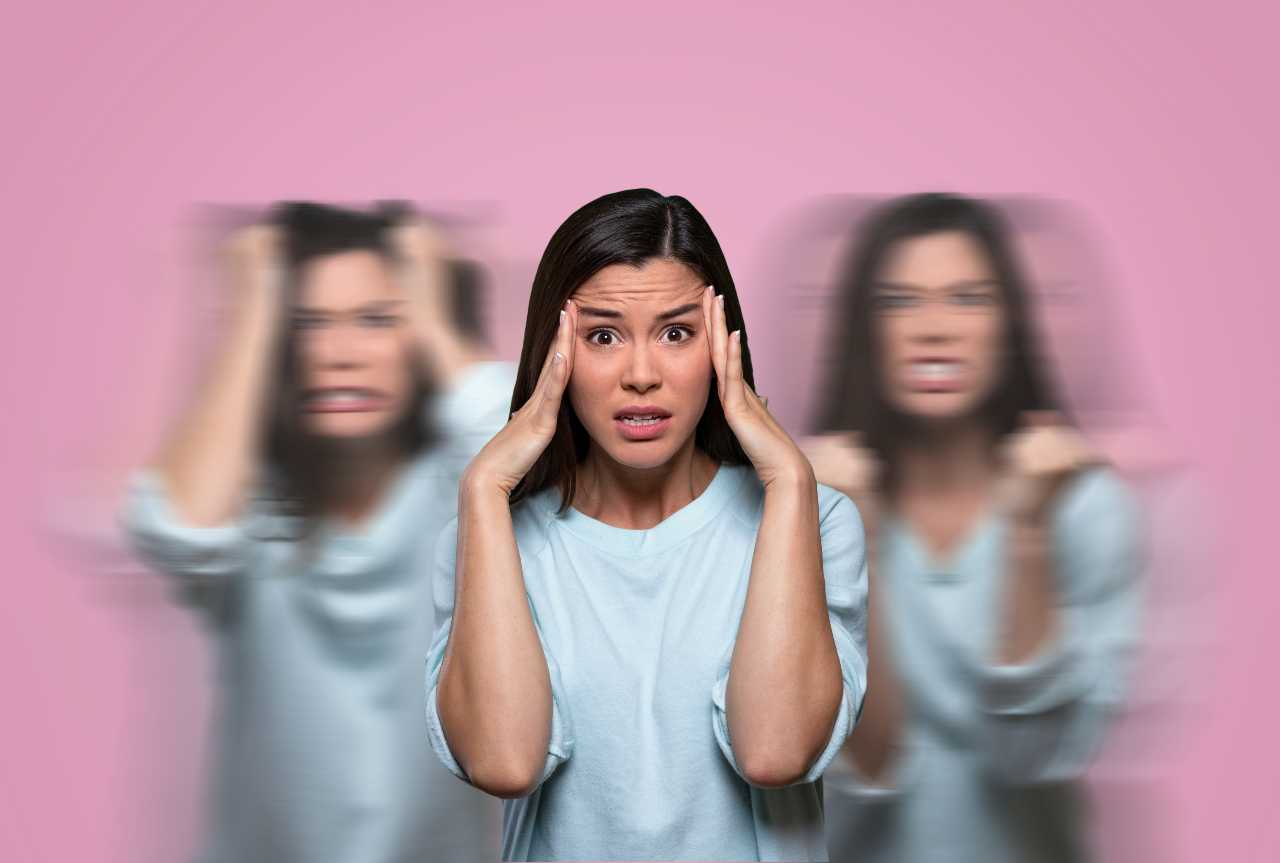
Anxiety is characterized by restlessness, fear, and persistent worry. When it becomes overwhelming and starts to disrupt daily life, it may develop into an anxiety disorder. Symptoms can include difficulty concentrating, sleep disturbances, and constant tension. If anxiety interferes with your work or relationships, it’s important to seek professional guidance.
Anxiety is closely linked to stress—often developing as a result of prolonged or intense stress exposure.
Stress and its effects
Stress is the body’s response to pressure, challenge, or perceived threat. While some stress can be motivating, chronic stress can become destructive to both body and mind.
Research by Anders Prior at Aarhus University found that people with chronic illnesses who also experience high stress are at increased risk of premature mortality. If you’re managing a health condition, finding ways to reduce tension is vital for recovery and longevity.
Unchecked stress can lead to long-term consequences, including effects on the brain’s prefrontal cortex — the area responsible for decision-making and emotion regulation. Stress also weakens the immune system, making the body more susceptible to disease.
Bouncing back and seeking help
Understanding the signs of anxiety and stress empowers you to take control. Awareness is the first step toward recovery. If you find it difficult to focus, experience irritability, or have persistent trouble sleeping, professional support may be needed. Therapeutic approaches, counseling, or even small lifestyle adjustments can make a major difference.
How to overcome anxiety and stress:
Physical activity
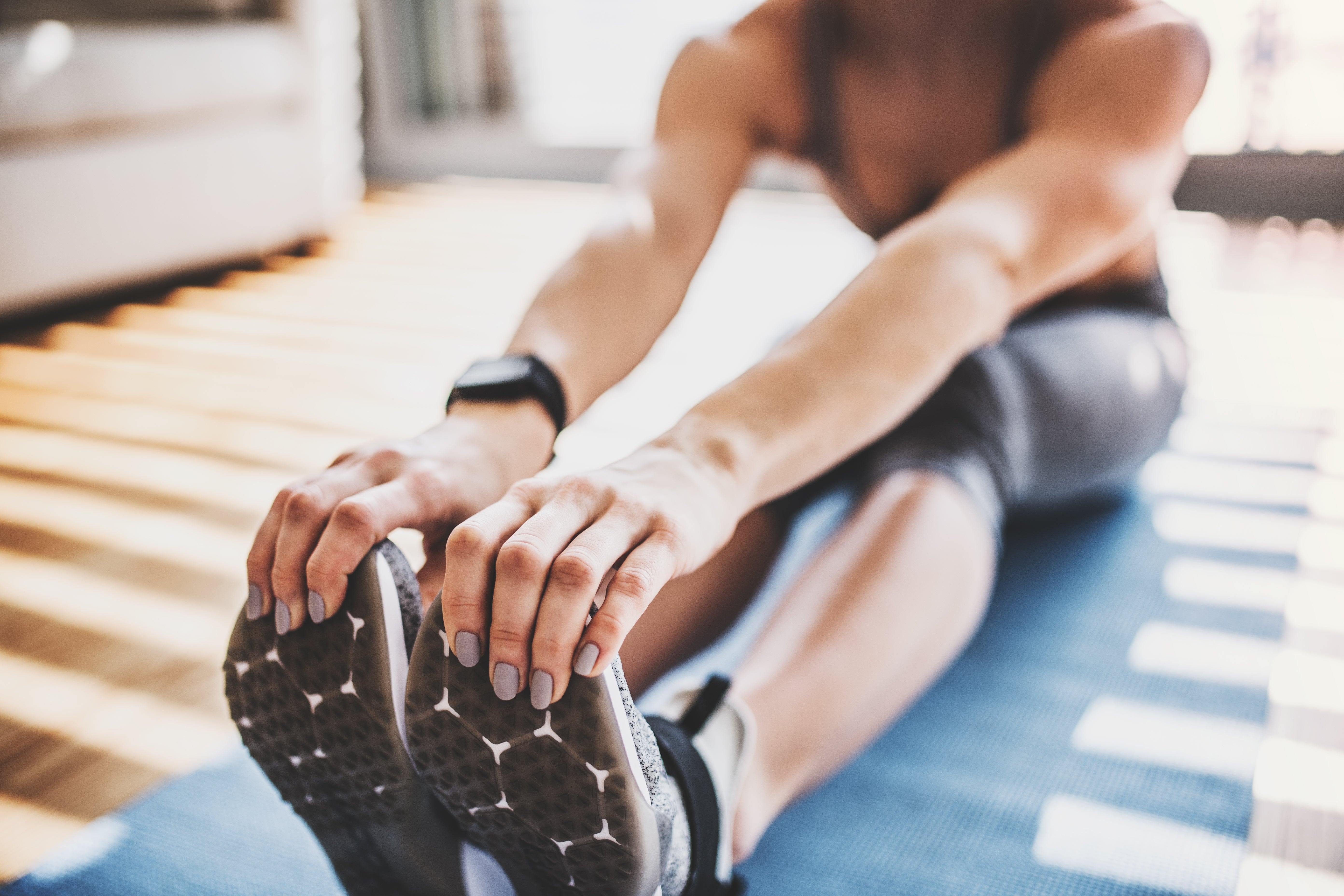
Exercise is one of the most effective ways to reduce stress and anxiety. Engaging in just 30 minutes of physical activity—even once a week—can produce noticeable improvements. Regular movement enhances mood, boosts circulation, and reduces inflammation. Studies show that physically active women with breast cancer at age 55 or older had higher survival rates than sedentary counterparts. Simply put, exercise helps the body and mind heal.
Humor
Laughter is a natural stress reliever. Watching a comedy, reading jokes, or spending time with uplifting people can create emotional distance from life’s challenges. Humor helps reframe negative experiences and provides a mental break that allows clarity and optimism to return.
Back to the present
Mindfulness and breathing exercises bring attention back to the present moment, quieting the mind and relaxing the body. Practicing meditation or deep breathing fosters peace, reduces anxiety, and restores emotional balance. Remember — there is no health without mental health.
References:
Eisner MD, et al. Influence of anxiety on health outcomes in COPD. Thorax. 2010 Mar;65(3):229-34.
Anxiety & Depression Association of America. 2022.
American Psychological Association. 2022.
American Psychiatric Association. 2021.
Spruill TM. Chronic psychosocial stress and hypertension. Curr Hypertens Rep. 2010;12(1):10-16.